
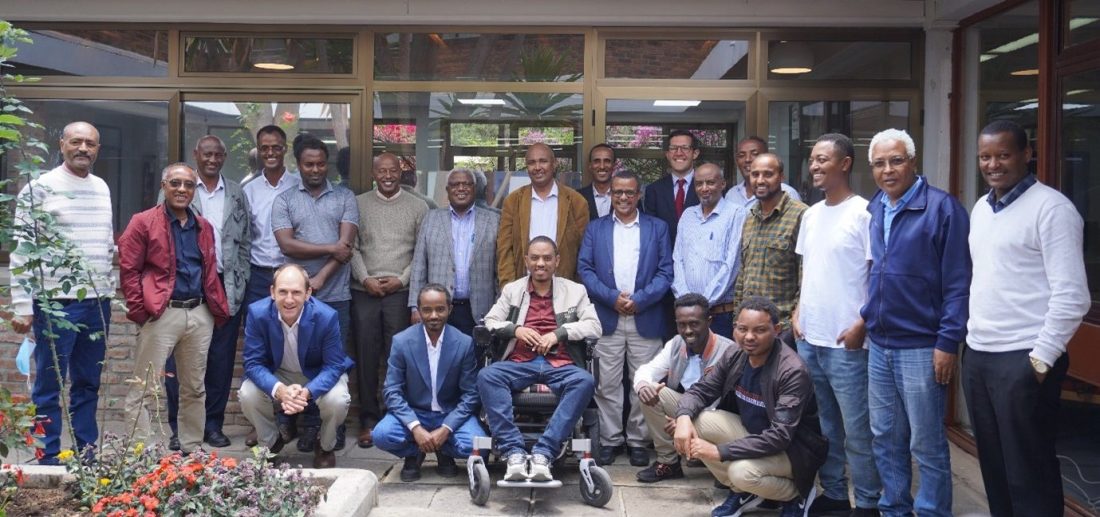
The Global Burden of Animal Diseases (GBADs): Ethiopia case study phase II closing stakeholder workshop was conducted on 26 April 2024 at the International Livestock Research Institute (ILRI) campus in Addis Ababa, Ethiopia. This workshop presented and discussed the outputs of the GBADs Ethiopia case study and future needs for economic decision-making around disease control. The participants considered future analytical steps and how the programme is to be embedded in local institutions.
Stakeholders from various government agencies, the private sector, non-governmental organisations (NGOs) and research and academic institutions participated in the workshop, which was officially opened by Jonathan Rushton, GBADs programme director, and Meron Moges on behalf of Wubshet Zewde, the executive lead of Animal Health and Veterinary Public Health, Ministry of Agriculture. The workshop objectives and agenda were introduced by GBADs Programme Manager, Ben Huntington, followed by a brief introductory overview of the GBADs programme by its director Prof Jonathan Rushton (University of Liverpool).
In the morning session, three presentations provided the latest results of the Ethiopia case study – livestock biomass, economic value and animal health loss envelope, attribution to specific causes and wider economic impacts. Two other presentations focused on the results of the burden of animal diseases in working equids, and an approach that is using climatic factors and published data to estimate the prevalence of coccidiosis in backyard chickens in East Africa. The afternoon session consisted of group work in which Ethiopian stakeholders answered questions relating to the following topics (i) experiences of use of the current GBADs outputs by stakeholders and future potential uses, (ii) priority information and data needs of Ethiopian stakeholders from next GBADs phase and (iii), local institutionalisation of GBADs for long-term sustainability.
The main conclusions reached in the workshop were: the GBADs information is already being used, for example, to support the improved status of the Ethiopian government in its Progressive Control Pathway for peste des petits ruminants (PPR). Furthermore, GBADs methods and results are being taught at Addis Ababa University, building an understanding of the use of economics in animal health in the next generation of Ethiopian vets. GBADs outputs need to be communicated much more broadly across the Ethiopian livestock sector and associated industries/professions. Even among the participants there was a discrepancy in exposure to GBADs with the Ministry of Agriculture team (especially the core group on animal health economics) having the strongest grasp of the programme. The regional vet services and researchers need to be further engaged in a way that allows them to contribute to and benefit from the next phase of the GBADs programme. The stakeholders called for continuation of the programme and showed a willingness to play additional roles in the conceptualisation and execution of the next phase of the programme. The Ethiopian Ministry of Agriculture and Animal Health Institute representatives will seek to engage a local (organisation) partner for the phase III effort, prior to engaging with ILRI, University of Liverpool and the GBADs consortium, the current partners, to prepare a funding proposal. The proposal willing a process of transition of responsibility for production of GBADs estimates to local scientists, who will be guided and coached by ILRI and GBADs international experts.
Other major outcomes and recommendations from the workshop were:
- Utilisation of GBADs outputs: Stakeholders from various sectors, including the Ministry of Agriculture and regions’ veterinary services, are using or planning to use GBADs outputs for strategic decision-making, such as assessing economic impacts, budgeting, resource allocation, and developing control and prevention projects. There is a particular emphasis on integrating GBADs data with existing surveillance systems for more informed policymaking.
- Enhanced understanding and capacity building: There is a reported increase in understanding among stakeholders, particularly within the Ministry of Agriculture, regarding animal health economics. This has fostered a desire for further capacity building in data management, analysis, and the application of GBADs tools and frameworks to strengthen local expertise.
- Data needs and access: A recurring theme across the discussions was the need for specific, actionable data. This included requests for enhanced data on disease-specific estimates and access to comprehensive surveillance data, which are crucial for both current assessments and future planning phases of GBADs.
- Research and development: Researchers expressed interest in using GBADs outputs to refine disease burden estimates, develop convincing research proposals, and prioritize diseases for future studies. The need for integrating epidemiological and economic data to enhance the precision of disease impact assessments was emphasised.
- Institutional integration and sustainability: Discussions highlighted the importance of integrating GBADs frameworks within national and regional institutions, with a focus on sustainable transitions to local ownership. This includes forming consortiums with various stakeholders to ensure the ongoing utility and application of GBADs findings.
- Stakeholder engagement and policy influence: The engagement of stakeholders in using GBADs data for lobbying, project proposal development, and influencing policy decisions was noted as crucial for animal health. This engagement aimed to enhance investment in animal health and support the economic valuation of livestock sectors, demonstrating the high impact and value of disease management.
If you would like to see more about the GBADs Ethiopia Case Study, please click here.